For much of the year, Irish shops open and close in the dark. An illuminated sign keeps your business visible on short winter afternoons and helps customers find you at night. There are several ways to light a sign, and each gives a different look.
LED lightboxes
A lightbox is a shallow box with LED modules inside and a printed face on the front. The whole face glows evenly, so it is bright and easy to read from a distance. Lightboxes suit fascias on busy roads, takeaways and convenience stores. Older lightboxes with fluorescent tubes can often be converted to LED and given a new face.
Face-lit 3D letters
Built-up letters with translucent acrylic faces glow from the front. Because each letter is lit individually, the sign looks crisper than a lightbox and the fascia behind can be painted to match the shopfront. Face-lit letters are a strong all-round choice for retail and hospitality.
Halo-lit letters
Halo-lit, or back-lit, letters have solid faces and shine light backwards onto the wall, creating a soft glow around each letter. The effect is understated and premium — popular with salons, clinics, offices and restaurants — and it suits period buildings where a bright box would look out of place.
Projecting signs
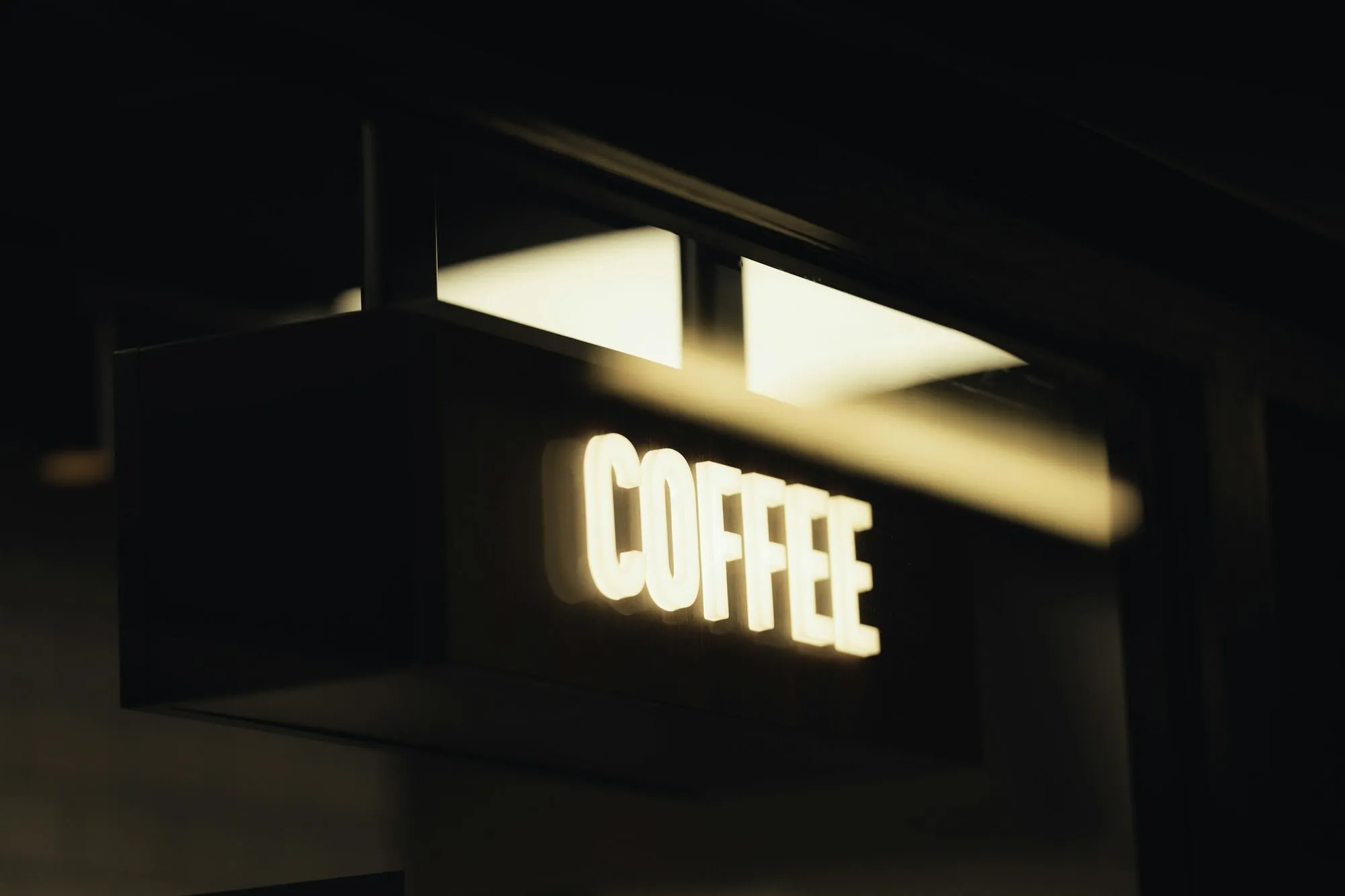
A double-sided projecting sign, like the one in the photo, is seen by people walking along the street rather than standing in front of the shop. Illuminated projecting signs are especially useful on narrow streets and shopping parades.
LED neon
Custom LED neon follows a logo or a word in a bright line of colour. It is mostly used indoors — in windows, behind counters and on feature walls — and is lighter and more robust than traditional glass neon.
Planning permission
Illuminated signs generally need planning permission in Ireland, and councils look closely at brightness, size, colour and hours of illumination — particularly near homes, on protected structures and in architectural conservation areas. Check with your local authority and your landlord before the sign is made. We can prepare drawings and photomontages to support an application, and our guide to shop sign costs and planning permission explains the basics.
Electrical safety and running costs
Illuminated signs must be connected by a Safe Electric registered contractor. Modern LED signs use far less energy than older fluorescent signs, and a timer or light sensor keeps a sign on only when it is useful.
Which is right for you?
- Maximum visibility: an LED lightbox or face-lit letters.
- A premium look: halo-lit letters.
- Passing footfall: an illuminated projecting sign.
- Interior character: LED neon.
See our illuminated and LED signs page or send a straight-on photo of your shopfront with rough measurements for a quotation. Preparing artwork? Our signage artwork checklist will help.